
Waiting for Prices to Drop? New Research Says You'll Be Waiting 7 Years
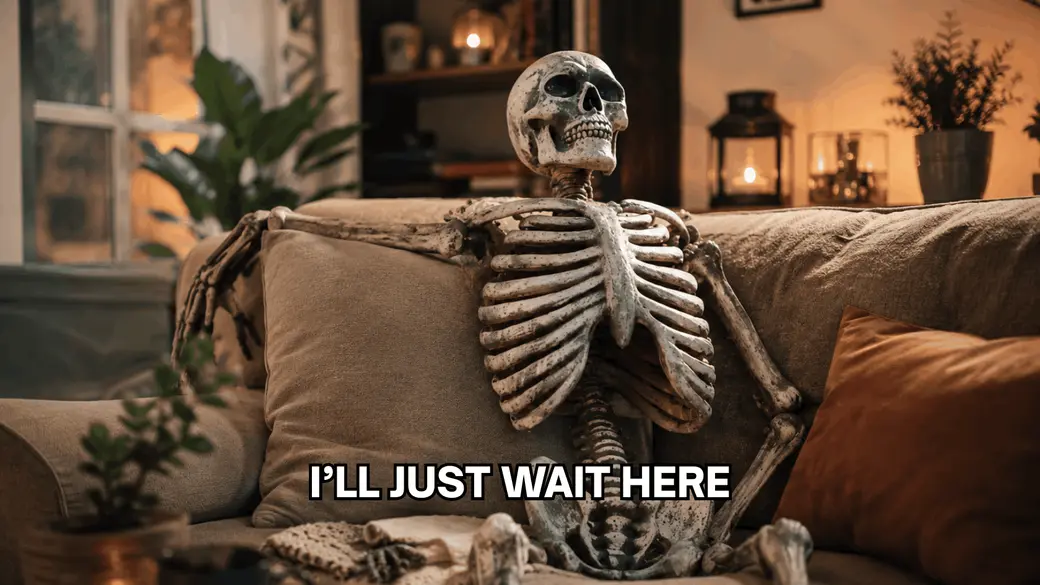
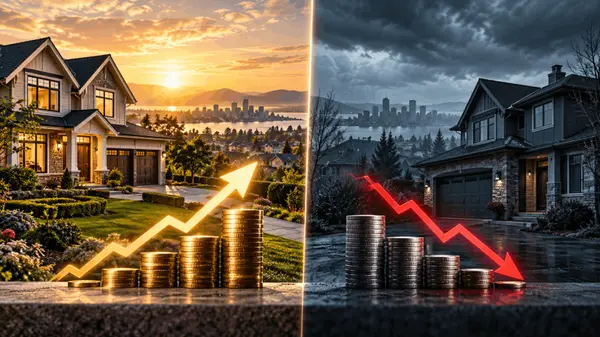
A lot of buyers right now are in a holding pattern, watching the market and waiting for prices to come down.
Oxford Economics just put a number on how long that wait might actually be: seven years.
That projection comes from one of the most widely cited economic research firms in the world. If you're in Tucson wondering whether to keep waiting or start moving, you'll want to understand what that timeline really means for you.
This is a look at the math behind the "wait and see" strategy, so you can make a decision based on the full picture.
What "Housing Affordability" Actually Means
When people say they're waiting for housing to become "more affordable," they usually mean they're waiting for prices to drop.
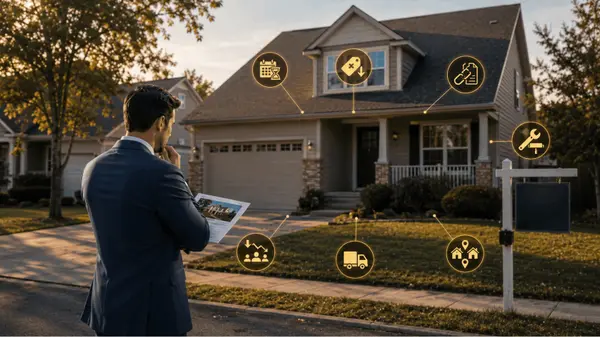
But home prices are just one piece of the housing affordability puzzle.
Home prices: what sellers are asking and what buyers are paying
Mortgage rates: which determine how much of your monthly payment goes to interest
Income: how much purchasing power buyers actually have
All three have to move in the right direction for affordability to improve in a meaningful way.
Prices could flatten while rates stay elevated, and a buyer's monthly payment barely budges. Or rates could drop while prices climb in response to increased demand, and the monthly cost lands in roughly the same place.
Oxford Economics' seven year projection accounts for how all these factors interact, and what it would realistically take for housing costs to come back in line with what a typical household can afford to spend.
What Oxford Economics Is Projecting
Oxford Economics' research, published in June 2026, projects that housing affordability won't see meaningful recovery for at least seven years. That puts a realistic improvement timeline somewhere around 2033.
For context, Oxford Economics is a global research firm whose economic modeling is used by governments and major financial institutions worldwide. When they put a seven year number on the affordability recovery, it's not a guess.
The projection reflects what it would take to close the gap between where home prices and borrowing costs are now and where they'd need to be for a typical buyer to comfortably afford a median priced home.
Getting there would require meaningful price corrections alongside sustained rate decreases and real income growth, and researchers don't expect those conditions to align anytime soon.
Here in Tucson, the local numbers tell a more encouraging story than the national headlines. As of mid 2026, the median sale price across the Tucson market sits around $365,000, which is roughly flat year over year and a fraction of what buyers face in metro Phoenix, where median prices regularly top $460,000. Homes are taking about 75 days to sell, and the list price to sale price ratio is sitting near 98 percent. In plain terms, that's a balanced market where buyers have room to negotiate rather than the bidding wars of a few years ago.
Local Market Snapshot for Tucson:
Median home sale price: approximately $365,000
Median days on market: approximately 75 days
List price to sale price ratio: approximately 98 percent
The Real Cost of Waiting
Waiting feels like a neutral decision. But every year a buyer stays on the sidelines, two things are working against them.
Equity. Every month a homeowner makes a mortgage payment, a portion of that goes toward building ownership in an asset.
Rent. Rent payments don't build equity, and over time most renters see their housing costs climb without anything to show for it.
A lot of buyers are counting on rates dropping. But if mortgage rates fall significantly before 2033, more buyers come off the sidelines, demand goes up, and in a market with limited inventory, prices tend to follow.
The monthly payment might not drop the way buyers are hoping, even with a lower rate, if the purchase price has climbed to meet the demand.
The "waiting for affordability to improve" strategy has real costs attached to it, and it's good to know those costs before making a decision.
Tucson is also one of the more affordable major markets in the Southwest, and values here have held steady rather than spiking, sitting roughly flat over the past two to three years after softening modestly from their peak. That stability is part of what makes a clear eyed rent versus buy conversation worth having now rather than later.
Make the Decision with the Full Picture
You need the full picture of housing costs for the rent versus buy question in Tucson, and that means taking a closer look, not just at the local numbers, but specifically at your unique financial situation and the costs of becoming a homeowner in 2026.
If no one has walked you through the numbers to help you understand the most financially beneficial decision for your household this year, that's what I'm here for.
The Oxford Economics projection is a data point that belongs in the conversation when you're thinking through your timeline.
Seven years is a long time to wait for conditions that may or may not arrive on schedule.
If you're in Tucson and you've been holding off, I'd encourage you to look at what the next few years realistically look like with the full numbers in front of you.
Categories
Recent Posts